The Three Types of Revolver Actions
Revolvers are simple to operate, easy to clean, and provide flexibility for the shooter; no wonder d
Team Buds
• 7 min read

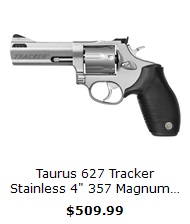
Now and then, you'll see a comment on a blog or video citing the demise of the revolver and "why would you want one of those old things anyway?" From our experience here at Buds, we can tell you that revolvers aren't going anywhere except right out the door! Demand remains high, and with good reason: revolvers are fantastic "do-it-all" type guns. In the right calibers, they can handle target shooting, self-defense requirements, woods-walking, hunting, and survival, and hey, even zombies fear revolvers! The variety of calibers is vast, and they come in a huge range of physical sizes for every hand size and possible need (or "want," as the case may be).
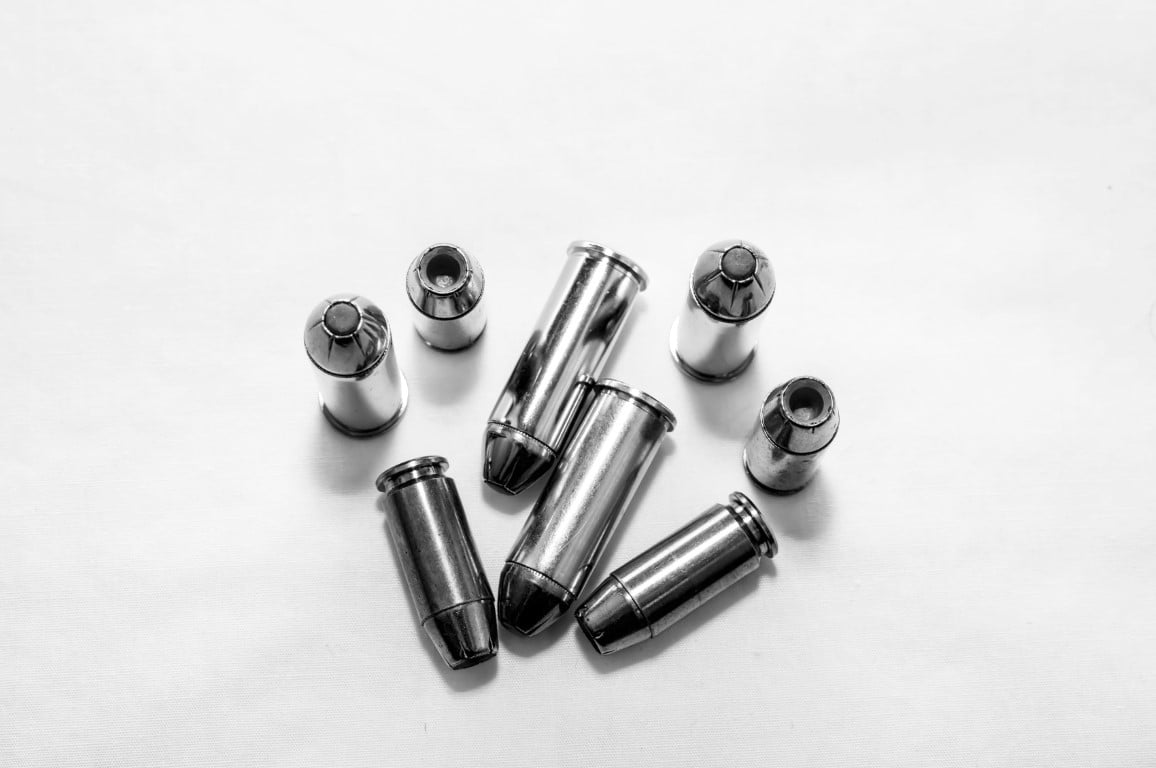
You can understand why revolvers are so popular; they feature a very basic manual-of-arms: physical manipulation and operation are simple, and they're quite easy to clean. One can shoot six different kinds of same-caliber ammo without a hiccup in a six-shot revolver, and they're hungry for more! Talk about flexibility: some revolvers can shoot two or more calibers.* Revolvers are priced to fit everybody's pocketbook as well.
Some people considering a revolver wonder what we mean when we talk about a revolver's "action." Action is really just a word for all the moving parts of the gun that ultimately make it go "bang"! All revolvers employ one of three types of actions:
- Single action revolvers
- Double action revolvers
- Double action only revolvers
Each of these actions might be best described as a reaction to what happens when the trigger is pressed.
Single Action Revolvers
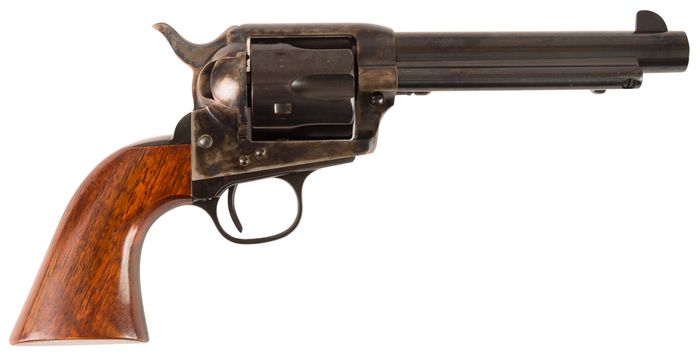
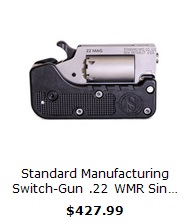
Let's start with single action. Single action revolvers employ a hammer that must first be cocked back manually. With a two-handed grip on the gun, we recommend cocking the hammer with the thumb of the support hand so that you don't loosen your good, firm grip on the gun with the shooting hand. It's then a simple matter to press the trigger, which releases the hammer to fall and fire the shot. Wanna do it again? Cock the hammer and press the trigger; the hammer falls and...bang!
Double Action Revolvers
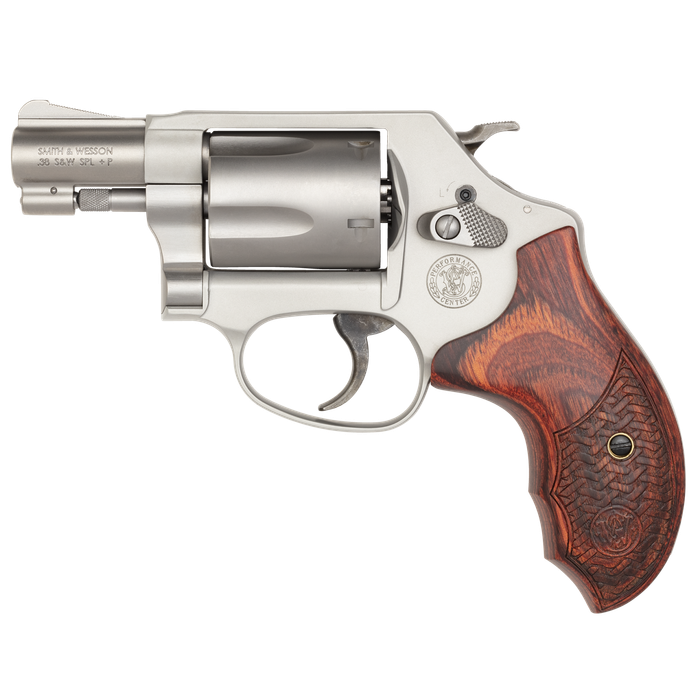
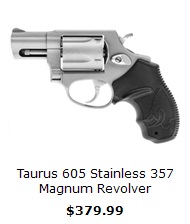
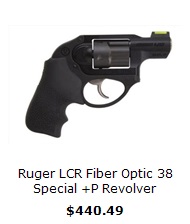
Double action revolvers eliminate the necessity of manually cocking the hammer, but usually at the expense of a longer, somewhat heavier trigger pull. In other words, as you begin to press the trigger, the hammer simultaneously begins to move rearward. As you continue pressing the trigger, the hammer eventually reaches a stage where it is fully cocked, and then as you near the end of the trigger travel, the hammer falls releasing the shot. Essentially, pressing the trigger completely through from its initial resting position all the way back first cocks the gun (first action) and then releases the hammer (second action), thus "double action." One added benefit of a double action revolver is that if you choose to do so, you can manually cock the hammer; you'll then have a single-action shot.
Double Action Only Revolvers
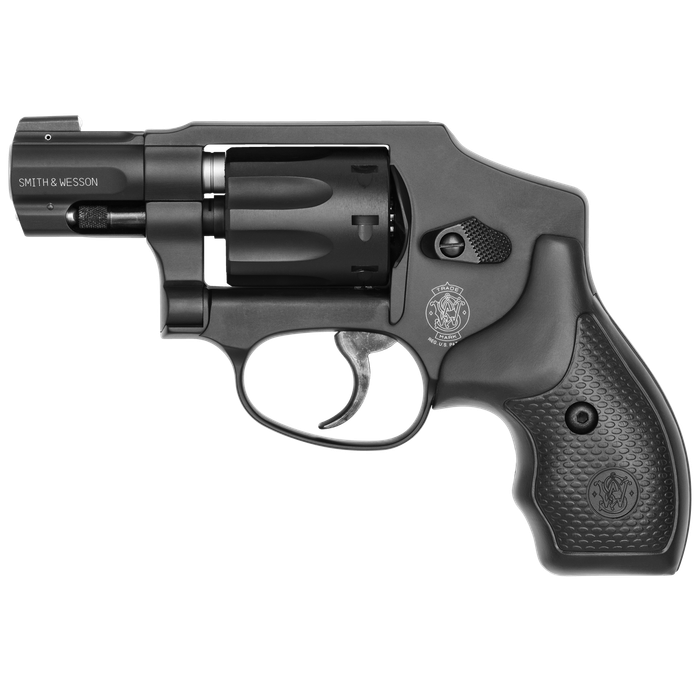
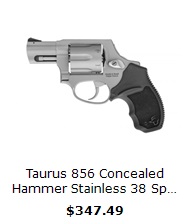
Double-action only or "DAO" revolvers operate just like double action revolvers, except there is no option to manually cock the hammer, thus no single-action shot is possible. You'll typically find DAO actions employed in guns designed expressly for concealed carry, such as those lacking a hammer spur that would normally permit thumb purchase on the hammer, or those revolvers that have a totally concealed hammer that is inaccessible under normal operation.
Now that you have a firm grasp of the various actions, you can decide what kind of revolver you really want—enjoy!
Stay Safe! Always obey the rules of gun safety
*For generally accepted firearms and ammunition interchangeability, we recommend:
Bud's Top Selling Revolvers