How to Choose a Gun Safe
Firearms need to be safely stored when not in use
Christopher Cogley
• 8 min read
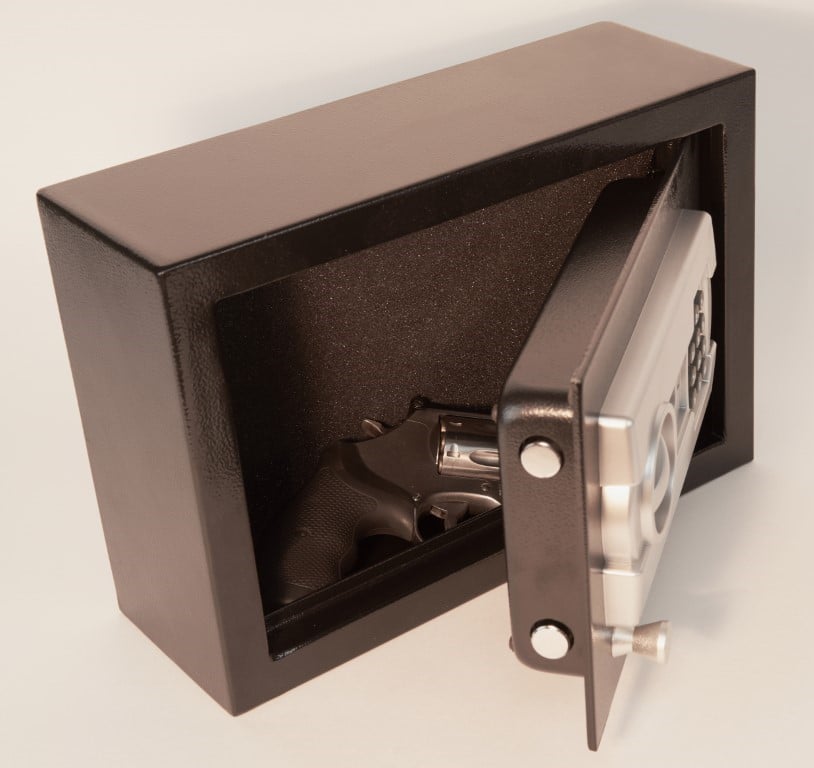
After purchasing a new firearm and all the essential accessories to accompany it, the added cost of a gun safe might seem like an unnecessary expense to some first-time gun owners. The reality, however, is that safely storing your firearms is one of the most important responsibilities of gun ownership, and it should never be overlooked or undervalued. As you did with the firearm itself, you should take some time to figure out which gun safe will best fit your needs. Here are some factors to consider.
Security
The primary purpose of a gun safe is found in the name itself: safety. It is the responsibility of every gun owner to make sure that their firearms don’t end up in the hands of anyone who shouldn’t handle a firearm, and that includes children, thieves, and anyone who is prohibited by law from possessing a gun. The most reliable way to do that is with a secure gun safe.
The biggest consideration when looking at the security of a gun safe comes down to two main factors: the thickness of the steel and the construction of the safe. As a general rule, safes that have 10-gauge steel provide ample deterrent for most thieves, particularly if you aren’t storing high-end firearms. When it comes to construction, look for a safe that has continuous welded construction instead of bolts or spot welding, which are easier for trained gun thieves to cut through with a torch or high-power saw.
Fireproof Rating
The secondary purpose of a gun safe is to keep your firearms safe. There’s no doubt that firearms are an investment, and the more guns you have, and the higher-end they are, the bigger that investment becomes. Aside from theft, the biggest threat to your firearms is fire.
Unfortunately, the fireproof rating on gun safes can be a little confusing to almost anyone who isn’t an industry expert. This is largely because there isn’t an industry standard fireproof rating.
As a general rule, the fireproof rating states how long that safe can be exposed to a fire of a particular temperature and maintain a temperature inside the safe of no more than 350 degrees F. To put this in context, the average house fire creates temperatures between 800 and 1,200 degrees F. Based on where you live and how close the nearest fire department is, the length of time of a home fire could be anywhere from 20 minutes to more than an hour (though that’s probably a stretch unless you are well away from town). So, if a gun safe has a fireproof rating of 1,000 degrees for one hour, that means that it’s rated to keep the interior temperature of that safe below 350 degrees F for one hour if the temperature of the fire does not exceed 1,000 degrees F. Based on the length and temperature of an average house fire, this should be sufficient to protect the firearms within that safe from a normal house fire.
Keep in mind, though, that there really are no “normal” house fires, and it’s difficult, if not impossible, to predict the behavior of a blaze. And while there is no such thing as a completely fireproof safe, the reality is that the higher the fireproof rating, the more likely it is that the guns inside will be protected regardless of what type of fire the safe is exposed to. The flip side is that the higher the fireproof rating, the more you are likely to pay for your gun safe. So, the determining factor essentially comes down to one question: How expensive and how important are the firearms you will be storing in that safe?
Optional Features
Once you’ve decided on the gun safe that fits your needs in terms of security and fireproof rating, it’s time to consider the optional accessories to help personalize your safe. Just as with buying a new car, the optional add-ons for gun safes are almost limitless. And, just as with cars, the bells and whistles you choose to pamper your new purchase with will likely depend on how much you want to spend for those items, which can sometimes blur the line between need-to-have and nice-to-have. There are a couple of options, however, that you should seriously consider before settling for a base-model gun safe.
The most important of these accessories is a dehumidifier. You spent a chunk of change on your firearms, and you’re spending another chunk on a gun safe to keep them protected. Other than theft and fire, one of the biggest threats to your firearms is moisture. By their very nature, gun safes are designed to keep things locked securely inside. Unfortunately, that also means that they lock in moisture. With no airflow, the only way to get rid of any moisture trapped in the safe is with a dehumidifier. There are plenty of options to choose from, but they all perform the basic function of preventing corrosion and rust from damaging your firearms as well as the inside of your safe.
Another important feature to consider is the lining of the safe and the gun racks inside it. While the soft lining of many gun safes may seem a little lush and frilly, it’s actually incredibly functional. Most firearms are built to withstand the kind of regular punishment that accompanies being used in the field, but that doesn’t mean they shouldn’t be pampered a little when they get home. Putting them in a safe with a soft interior will help prevent any unnecessary dings and scratches to the barrel, the stock, or even the scopes.
Conclusion
While the cost of purchasing a gun safe that meets both your current and future needs may seem pretty steep, it’s important to remember that it is an investment. Not only is it an investment in keeping your firearms safe, it’s an investment in keeping people safe from misused firearms. And that’s an investment you can’t put a price on.
FAQs
Q: How big should my safe be?
A: As a rule of thumb, the bigger, the better. While you might not have enough guns to fill a large safe right now, it’s best to plan for the future. Guns have a way of multiplying unexpectedly, after all. Spending a little more on a bigger gun safe now will save you from having to buy another one down the road when you’ve found that your firearms selection has outgrown its space.
Q: What type of locking mechanism should I choose?
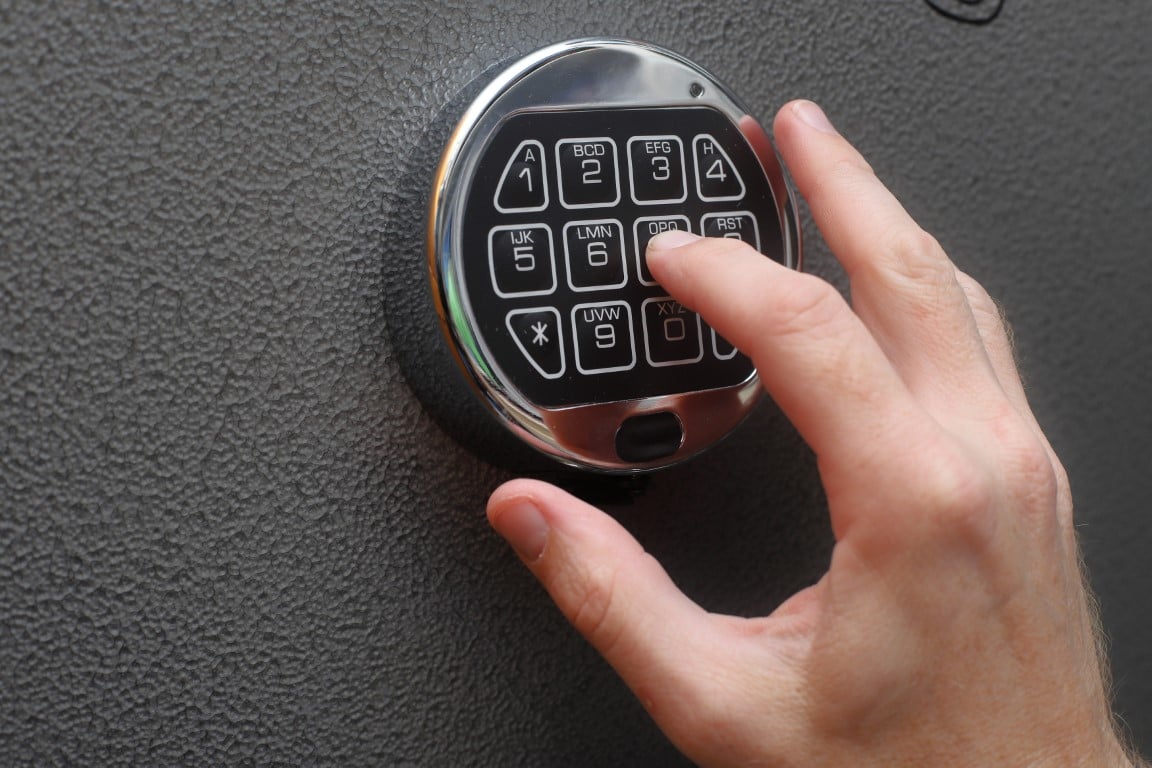
A: Although almost any locking mechanism on most quality safes will be more than sufficient to keep your firearms out of the hands of anyone who shouldn’t be handling them (in real life, most thieves don’t try to crack the combination like they do in the movies), you should still give some thought as to which type of lock you’d prefer. Traditional combination locks are arguably the simplest choice—there’s a reason they’ve been around for as long as safes have. One of the biggest downsides, however, is that they don’t necessarily provide quick access to your firearms in an emergency the way electronic keypads do. The downside to electronic locks, however, is that if the power to the lock goes out, you can’t get into the safe.
Q: Where should I put my safe?
A: The answer to that question largely depends on your current living situation. If you have a home with a garage, that is usually the preferred option not only because it’s easy to get the gun safe moved into place, but also because it allows you to secure the safe to the foundation. (Taking this extra step prevents thieves from loading your gun safe up on a dolly and taking it away as easily as it was moved in.) If that option isn’t available to you, then you might have to choose a smaller safe or even a gun cabinet that can be locked, and is light enough to carry up multiple flights of stairs.