Training Others About Firearms
Team Buds
• 6 min read
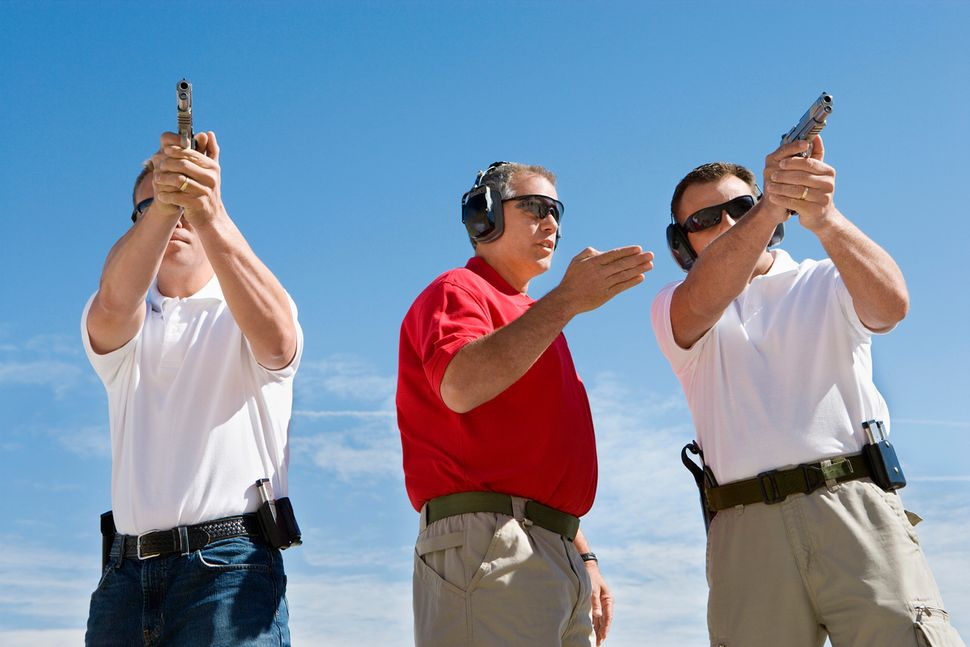
We find that training folks in the safe, legal, and responsible use of firearms is one of the most rewarding aspects of our jobs. You may have found this to be true if you've ever been asked to provide your expertise to a family member or friend unfamiliar with firearms who wanted to learn more. If you get this request going forward, we have some tips to help you help them be safe and (eventually) proficient.
- Be Patient: First, if being a patient person is not near the top of your list of desirable character traits, you might reconsider the request and pass them on to someone else! There's no denying that training people in any kind of discipline can be a bit frustrating at times, but it's not because your student isn't trying. They're attempting to wrap their mind around all the concepts you're explaining that they may be hearing for the first time and simultaneously making their hands do things they haven't done before. For example, we've observed intro-level students continually and unnecessarily re-gripping their pistols using different hand positions with each shot or laying a rifle down on the table between called strings of shots. This is quite interruptive, particularly when training several people at one time—remember that patience is a virtue.
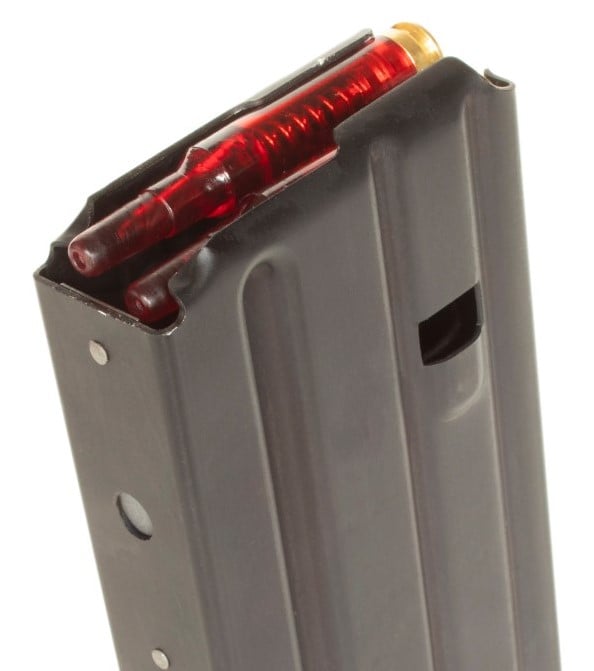
- Don't assume the reasons someone wants training: Your reasons for keeping firearms available may not coincide with theirs. It's essential to chat with the person regarding why they want training. Is it strictly for target shooting, self-defense, or other reasons? The language you use and the path you lead them down should be the means to what they want or need to do with the firearm. Terminology is critical here. If your student advises that their only interest is target or competitive shooting, it's improper if you continually call the gun a "weapon." The term "weapon" is contextual, i.e., how the user plans to use the gun, that being as a weapon. Your student's age may also inform what you, as the instructor, call the gun; a class of girl scouts should never hear the term "weapon." Also, be sure you're clear on the correct names of all the parts and controls of the firearm. This includes, for example, staying away from the misnomer "clip" when referring to a magazine (when this is the case). Of course, there certainly are "clips," but not in reference to handguns or shotguns; instead, you should always say "magazine."
- You must understand the basics yourself! Please don't feel compelled to instruct someone if you do not fully understand the subject matter. If this is the case, you're doing them a big favor if you can help find them professional assistance. If you think you're right about a technique or concept, this is not good enough: you must know you're correct. Part of the basics employ teaching safety rules; while most trainers teach between three and five foundational rules, we employ these five:
- Always treat all guns as though they were loaded
- Always keep the firearm pointed in a safe direction
- Always keep your finger off the trigger until on target and ready to fire (and by association, remove your trigger finger from the trigger whenever you come off target)
- Always know your target and what is all around, in front of and behind the target
- Always secure your firearm anytime it is not under your direct control.
- We never take new students directly to the range: Yes, we want them to begin shooting that same day, if possible, but for beginners, we present an hour of classroom time just talking about things and then later transition to live fire, often with small-caliber firearms, to get them used to the sound and feel of the gun. If you don't have a classroom, it's OK: just move away from standing in the target stall or table with the gun in hand and instead sit down together to talk about the important concepts for a while, being certain their gun is unloaded and with the ammunition removed from the area. Overall, it's important not to overwhelm your student(s)--a couple of hours of instruction that include one hour of live-fire are enough. Leave them wanting more. Keep the material presented to a relatively short time frame and stay with foundational material. You should be able to cover: the basic parts of the gun, the controls on the gun and what they do and don't do; the essentials of caliber and ammunition; you might need to spend time on eye dominance if this has not been previously established; proper grip, hold, stance, sight alignment, and sight picture, and trigger finger placement and control. This is enough to get anyone started correctly and plenty for someone to have to comprehend at one sitting. There will be a time in future sessions to build on these basic topics as well as important maintenance and cleaning instruction.
- Don't allow distractions: Make everybody turn off cell phones. Do talk about simple range commands you will use and the necessity of not doing anything until you say so. Be sure no one goes forward of the firing line without clearing all firearms and you permitting this and announcing it beforehand. Always stay focused on the condition of the firearm: is a round chambered? Are you watching your student unload it and inspect their gun? As an instructor on the live-fire range, it is very easy to be so involved in teaching some technique that you might forget a round has been chambered—trust us on this, and always double-check the gun! Knowing that humans are not perfect and that we all make mistakes AND following the safety rules will keep everyone safe; a little humility and humor work well too! Instruct in proper loading and unloading techniques. Numerous people have experienced a negligent discharge because they did not understand how to unload a firearm properly (magazine always out first!).
- Don't be tempted to introduce politics into a training session: This is an entirely different matter than teaching someone a safe and competent introduction to firearms. Not that it's unimportant—just not the time and place.
- Always be respectful of your student: Your friend, spouse, acquaintance, or relative is trying. We believe that in any kind of training, it is sometimes true that "familiarity breeds contempt"--if you don't believe this, think of one spouse teaching another how to drive a vehicle. Should you find this to be the case, or it just seems too difficult to comfortably manage, again, do yourselves a favor and seek professional training. In any event, we're encouraged to know that a good percentage of our customers continually strive to educate themselves about firearms and firearms safety. We applaud this—keep up the good work and keep representing our world of firearms positively!
Stay Safe!